Does PIP Cover Chiropractic After a Car Accident in Washington?
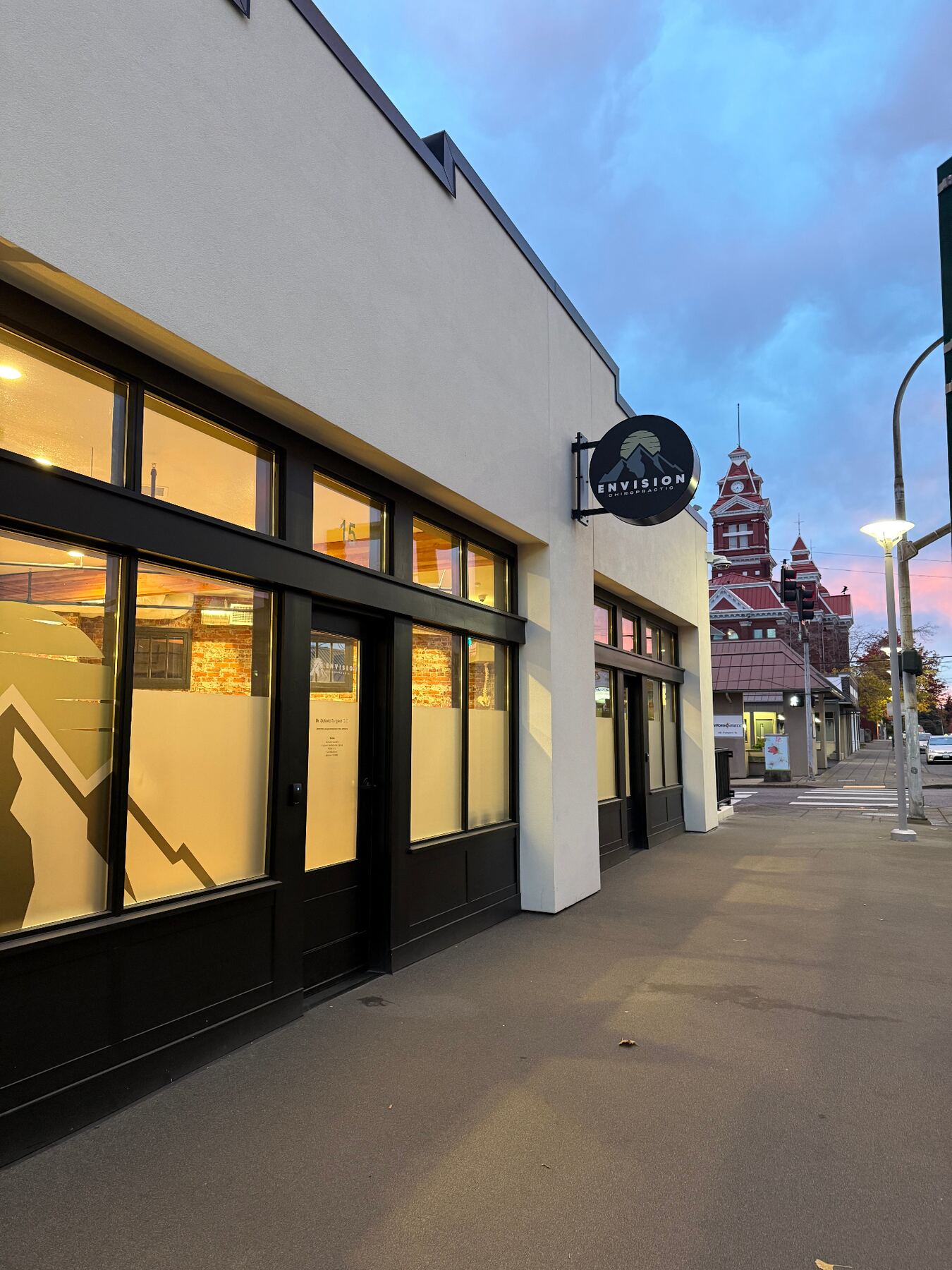
In most cases, yes. Washington insurers must offer Personal Injury Protection (PIP) with auto policies, and PIP medical benefits can be used for chiropractic care after an accident. Envision Chiropractic in Bellingham often bills PIP directly so you pay little or nothing out of pocket.
Medically reviewed by Dr. Dakota Turgeon, DC · Last updated November 2026
After a collision, insurance paperwork can feel like one more problem when you already hurt. Personal Injury Protection, usually called PIP, may provide a way to begin medically necessary care without waiting for fault to be decided. Here is how to understand your policy and what to bring to Envision.
What PIP Is in Washington
Personal Injury Protection is optional auto-insurance coverage that can help pay medical and certain other covered expenses after a collision. Washington law requires auto insurers to offer PIP, with a minimum medical and hospital benefit of $10,000. A policyholder can reject the coverage in writing. The requirements appear in RCW 48.22.095.
PIP medical benefits can be used for chiropractic care after an accident when the care meets the policy’s requirements. It is separate from a disagreement about which driver caused the collision. The Washington State Office of the Insurance Commissioner provides consumer insurance resources if you need help understanding your coverage.
Your own declarations page and policy language control the details. Limits, exclusions, documentation requests, and available benefits can differ. Envision often bills PIP directly, but direct billing does not mean every policy pays the same way or that you will have no responsibility.
How to Check Whether You Have PIP
Start with your auto policy’s declarations page, which lists your selected coverages and limits. Look for Personal Injury Protection or PIP. If you cannot find it, call your insurance agent or the claims department and ask whether PIP was included or rejected in writing.
While you have the representative on the phone, confirm the claim number, the adjuster’s contact information, the available medical limit, and where the clinic should send bills and records. Ask whether any forms or referrals are required under your policy. Write down the date, the representative’s name, and the answers so you have a simple record.
If you were riding in someone else’s vehicle or were hurt as a pedestrian or cyclist, the applicable policy may not be obvious. Options vary, so gather the information you have and ask the insurer or a qualified professional about your circumstances.
What to Do After an Accident
- Get checked. Seek emergency care for serious or worsening symptoms. Even when symptoms seem mild, arrange an appropriate evaluation rather than assuming everything is fine.
- Document symptoms. Note when pain, stiffness, headaches, numbness, or other changes began and how they affect sleep, work, and ordinary activities.
- Open a claim. Contact the relevant auto insurer and follow its reporting process.
- Give us your claim number. Bring the claim and adjuster details, your policy information, and any accident or medical records you already have.
- Let us review PIP billing. Envision often bills PIP directly and will explain what information is needed for your case.
Why See a Chiropractor Early?
Whiplash and other collision-related symptoms can be delayed. Neck stiffness, back pain, headaches, or pain into an arm or leg may become more noticeable after the initial stress of the crash settles. An early evaluation creates a baseline and helps determine whether chiropractic care is appropriate or another type of medical attention is needed.
Your visit at Envision focuses on the collision history, your current symptoms, and an examination. X-rays are used if needed. Day 1 is the consultation and exam; Day 2 is a report of findings where Dr. Dakota explains the results and discusses a care plan. Recommendations are individual, and no particular recovery outcome is guaranteed.
What If I Don’t Have PIP or It’s Used Up?
You may still have options. Depending on the circumstances, these can include health insurance, a claim involving the at-fault driver’s insurance, or attorney liens. Options vary; we’ll walk you through them. Our attorney referral page explains the documentation and billing workflow available for represented cases.
Before starting, tell the team what coverage information you have and what remains uncertain. Clear communication helps you understand payment expectations rather than discovering them later.
Disclaimer: This page is general information, not legal or insurance advice. Your policy, insurer, attorney, or the Washington Insurance Commissioner can address your specific coverage questions.
Washington PIP Questions, Answered
GET CHECKED.
GET CLARITY.
Start with an evaluation and bring your PIP claim information. We will explain the visit and billing steps.